


Room III
What jade has meant
Three thousand years of belief, and the words of jade.
Three thousand years of belief, and the words of jade.
Shared as heritage, not as promise.
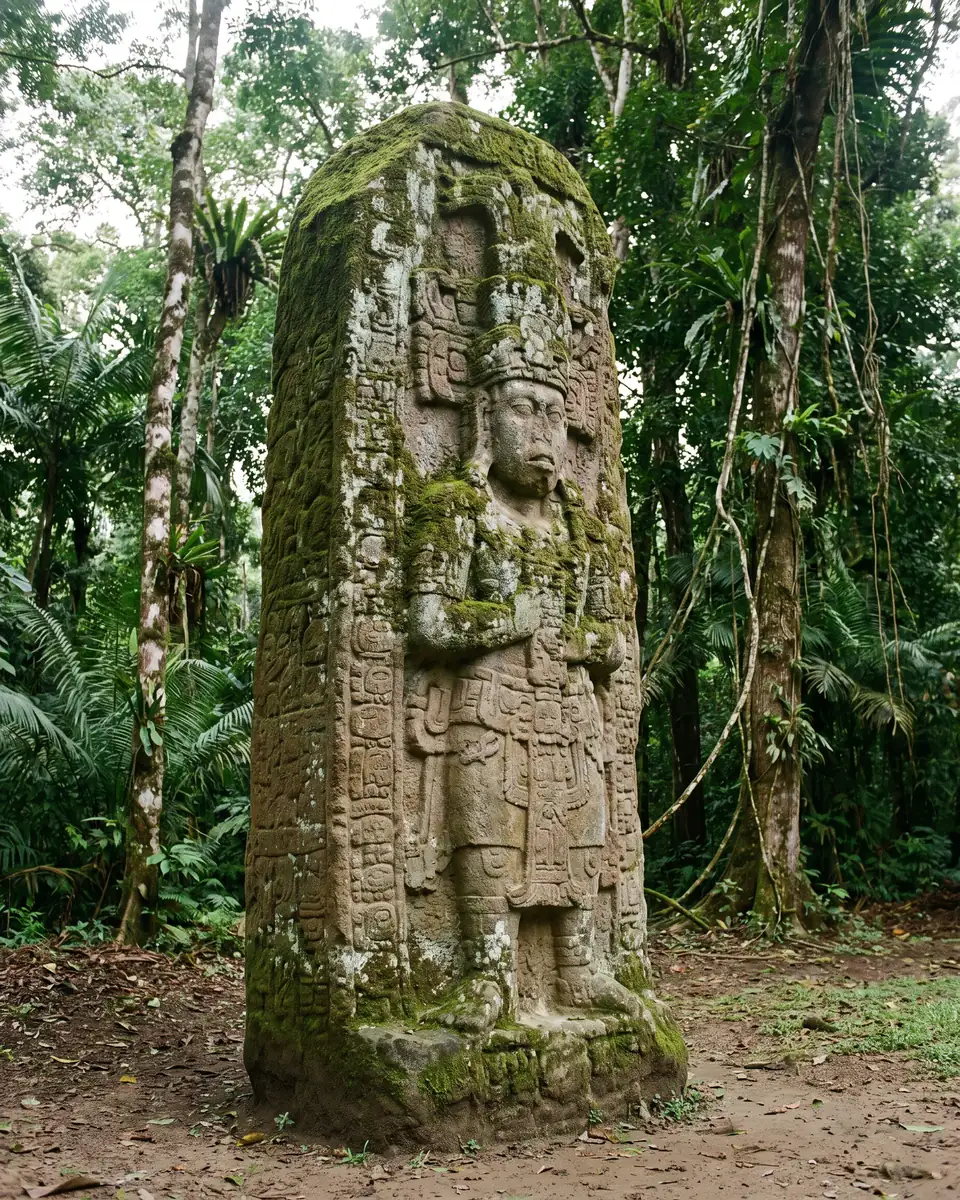
In the valley where our stones are found, jade was life itself. For the Olmec and the Maya its green was water and young maize, and its cool polish was breath. Rulers were buried beneath masks of it, and a single bead was laid in the mouth of the dead, a seed for the life to come. The Aztec, who traded for it from afar, held it dearer than gold.
In China, Confucius saw in jade the virtues of the noble person: its warmth for kindness, its hardness for wisdom, its edges that never cut for integrity. An old saying holds that gold has a price and jade has none, and a bangle is still given to keep its wearer safe.
In Japan, jadeite was shaped more than five thousand years ago, among the oldest worked jade anywhere, and comma-shaped magatama were laid with the honoured dead. In 2016 it was named the country’s national stone.
Today many people keep jade close as a stone of calm, balance and good fortune, and give it to mark a beginning: a birth, a marriage, a new home.
We share these beliefs as the heritage they are. Aratama makes no claim that jade heals, protects or brings fortune, and no stone is a substitute for medical care. What we can promise is the stone itself: natural, untreated, and from the valley where this story began.
One of a kind: each leaves this page the moment it sells.
Nature does not hurry, yet everything is accomplished.


The words you will meet in a listing or a report.
Every block of stone has a statue inside it; it is the task of the sculptor to discover it.
Every Aratama piece is jadeite from the Motagua Valley, its treatment and origin stated plainly.
View the collection


